

EV
Petrol vs EV Running Costs in Australia: The 2026 Breakdown
Petrol is expensive and electricity off your own roof is not. So is an electric vehicle actually cheaper to run? Here is what drives the difference, and how to work it out for your own driving.
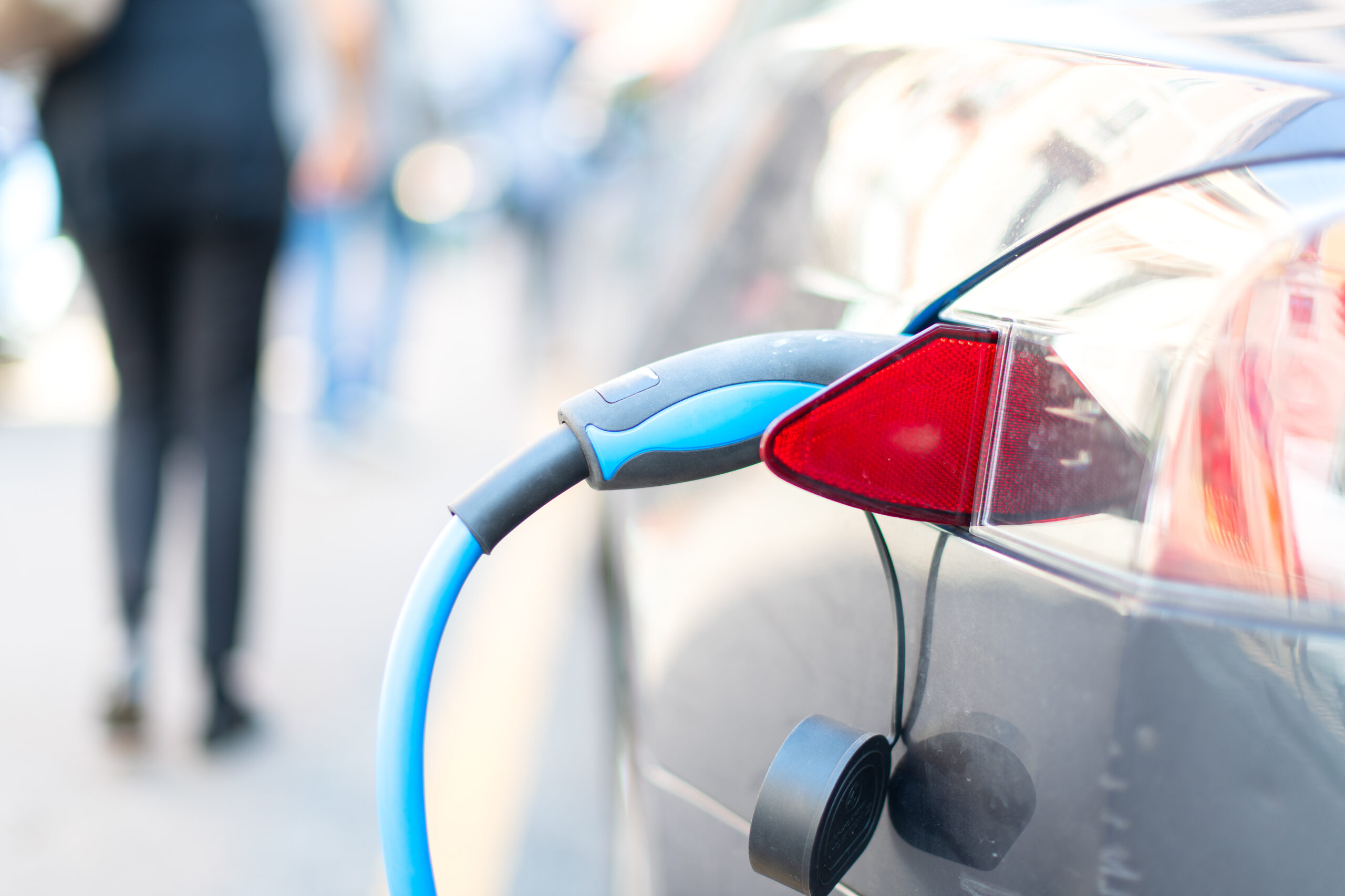
If you have filled up your car recently in Murray Bridge or anywhere in South Australia, you have felt the sting. Fuel has stayed expensive, and regional pumps sit above metropolitan Adelaide more often than not. That is what pushes people to look seriously at an electric vehicle.
Meanwhile, electric vehicles have quietly crossed a tipping point. Models like the MG4, the BYD Dolphin and the BYD Atto 3 now sit in the same purchase bracket as mid-range petrol cars, so the decision comes down to what each one costs you to run afterwards. Check current drive-away pricing with the dealer, because it moves.
Work it out from your own bills: take the litres you actually buy in a year and multiply by the price you actually pay at the pump. That figure, not an average, is what an EV would be replacing. Then do the same with the rate on your own electricity bill and the kWh per 100km figure published for the car you are considering.
The Numbers
What Actually Drives the Running Cost Difference
Five line items, and only one of them really moves.
Here is the real cost of running a petrol car versus an EV in 2026, across three scenarios: a standard petrol car, an EV charged from the grid, and an EV charged from home solar panels. All figures are annualised and based on current South Australian prices.
| Running Cost | What Actually Decides It |
|---|---|
| Fuel or energy | The pump price for a petrol car, the rate on your own electricity bill for an EV charged from the grid, or nothing beyond what you already generated for an EV charged from rooftop solar. Nearly all of the difference lives on this line. |
| Servicing | A petrol engine needs oil, filters, plugs and a timing belt on schedule. An EV needs coolant and a cabin filter. Fewer moving parts means a shorter service list. |
| Brakes | Regenerative braking does most of the slowing in an EV, so pads and rotors last considerably longer between replacements. |
| Tyres | EVs are heavier, so tyres cost a little more and are worth checking on the model you are looking at. It is a small line against fuel. |
| Registration and insurance | Set by the state and by your insurer rather than by the drivetrain, so this line barely moves the comparison either way. |
How to run your own numbers: take your annual kilometres, the fuel consumption figure for your current car and the price you actually pay at the pump. That is your fuel line. For the EV, take the same kilometres, the kWh per 100km figure published for the model, and the rate on your own electricity bill. Charging from your own solar during the day takes that rate down to whatever your surplus generation is otherwise worth to you.
Use your own numbers rather than ours. Your kilometres, your pump price and your electricity plan are the three inputs that decide the answer, and all three vary a great deal between households.
The Trifecta
Solar + Battery + EV Charger: The Zero-Fuel-Cost Setup
How Murray Bridge and Adelaide Hills homeowners can drive for free.
The zero-fuel-cost setup combines three technologies that are now affordable and proven. A rooftop solar system, a home battery, and a smart EV charger create a closed loop where your car runs on sunshine and your fuel cost drops to zero.
Maintenance
Why EVs Cost Less to Service
One of the most overlooked advantages of EVs is how little maintenance they require. A petrol engine has hundreds of moving parts: pistons, valves, timing chains, spark plugs, exhaust systems, gearboxes. An electric motor has roughly 20 moving parts. Fewer parts means fewer things to wear out, break, or need replacing.
- No oil changes. EVs have no engine oil, oil filter, or associated gaskets to replace
- No exhaust system, so there is no catalytic converter, muffler, or exhaust manifold to corrode or fail
- Reduced brake wear. Regenerative braking does most of the slowing, so brake pads and rotors last 2-3 times longer
- No timing belt or spark plugs. Two of the most expensive scheduled service items on petrol cars simply do not exist
- No transmission fluid. Most EVs use a single-speed reduction gear that requires no fluid changes
- Coolant and cabin filter are the main regular service items, and they are significantly cheaper than a full petrol car service
An EV costs less to service than a petrol car because the list of items is shorter, not because the labour rate is different. Compare the published service schedules for the two cars you are choosing between and the gap is easy to see for yourself.
Regional Advantage
Murray Bridge and Adelaide Hills: Where EV Savings Are Even Bigger
If you live in the Murray Bridge or Adelaide Hills region, the case for an EV is arguably stronger than for city drivers. Here is why:
SA Incentives
South Australian EV Benefits in 2026
South Australia offers several financial incentives that make EV ownership more attractive:
- Stamp duty concessions on eligible zero and low-emission vehicles in SA. Check current thresholds with your dealer
- Federal FBT exemption on novated leases for EVs under the luxury car tax threshold, which is worth checking with your employer or your accountant
- Federal battery rebate on an eligible home battery, which directly supports charging the car off your own solar
- SA has not yet introduced a road user charge for EVs, unlike Victoria, which charges 2.8c/km
Combined with the federal battery rebate, a solar, battery and EV charger installation is worth costing out properly. The upfront investment is higher than any one of the three on its own, so ask for the numbers on your own roof, your own usage and your own driving rather than on an average.
FAQ
Common Questions About EV vs Petrol Costs
Are EVs really cheaper to run than petrol cars in Australia?
For most drivers, yes, though how much depends entirely on your kilometres, your electricity plan and whether you charge from solar. Energy is the line that moves: a kilowatt-hour off your own roof costs you nothing you were not already generating, while every litre of petrol is bought at the price on the board that day. Servicing adds to it, because an EV has a shorter service list.
How much does it cost to charge an EV at home in SA?
Take the usable battery capacity in kilowatt-hours and multiply it by the rate on your own electricity bill. That is what a full charge from the grid costs you, and it will differ from your neighbour's if you are on a different plan. Charging from surplus solar during the day costs you nothing you were not already generating.
Can I charge my EV entirely from solar panels?
In practice, most EV owners charge from a mix of solar and grid power. On sunny days, a 6.6kW+ solar system in Murray Bridge will comfortably produce enough excess energy to charge your car for the next day. In winter or on overcast days, you may draw some grid power. A home battery extends solar charging into the evening. Most solar EV owners report 70-90% of their charging comes from solar across the year.
What about the cost of replacing an EV battery?
Modern EV batteries are warrantied for 8 years or 160,000 km, and most manufacturers guarantee at least 70% capacity retention. Real-world data shows batteries lasting well beyond warranty. Replacement costs have been falling and they vary a great deal by vehicle, so ask the manufacturer for a current figure on the model you are considering. Most owners will never need a replacement during normal ownership. Battery degradation is typically 2-3% per year under normal conditions.
Is an EV practical for long trips from Murray Bridge?
The DC fast-charging network along the Adelaide-Melbourne corridor and other major routes has expanded significantly. Most modern EVs can add 200+ km of range in 20-30 minutes at a fast charger. For daily commuting, home charging covers 99% of needs. For the occasional road trip, planning one or two charging stops is straightforward using apps like PlugShare or A Better Route Planner.
How much does a home EV charger cost to install?
It depends on the charger you choose, how far it sits from the switchboard and whether the board or the supply needs upgrading to carry the extra load, so we quote each install rather than publish a figure. The quote covers the charger unit, the dedicated circuit and the compliance certificate in one number. A smart charger with solar integration, such as the Zappi, costs more up front and diverts surplus solar to the car on its own. Contact us for a fixed-price quote.
EV Savings Calculator
How Much Would You Save Switching to an EV?
Enter your driving habits below to see a personalised cost comparison: petrol or diesel vs electric.
An estimate. Assumes 8.0 L/100km petrol, 7.0 L/100km diesel and 18 kWh/100km for the EV, grid electricity at 40c/kWh, and self-consumed solar treated as no marginal cost. Your own figures will differ.
Ready to Drive on Sunshine?
ElectricalPro installs solar systems, home batteries, and EV chargers across Murray Bridge and the Adelaide Hills. Get a free quote for your zero-fuel-cost setup.