

Solar
How to Choose the Right Solar System Size for Your SA Home
From 5kW to 13kW+, the right solar system depends on your household, roof, and future plans. Here is how Murray Bridge and Adelaide Hills homeowners can find the sweet spot.
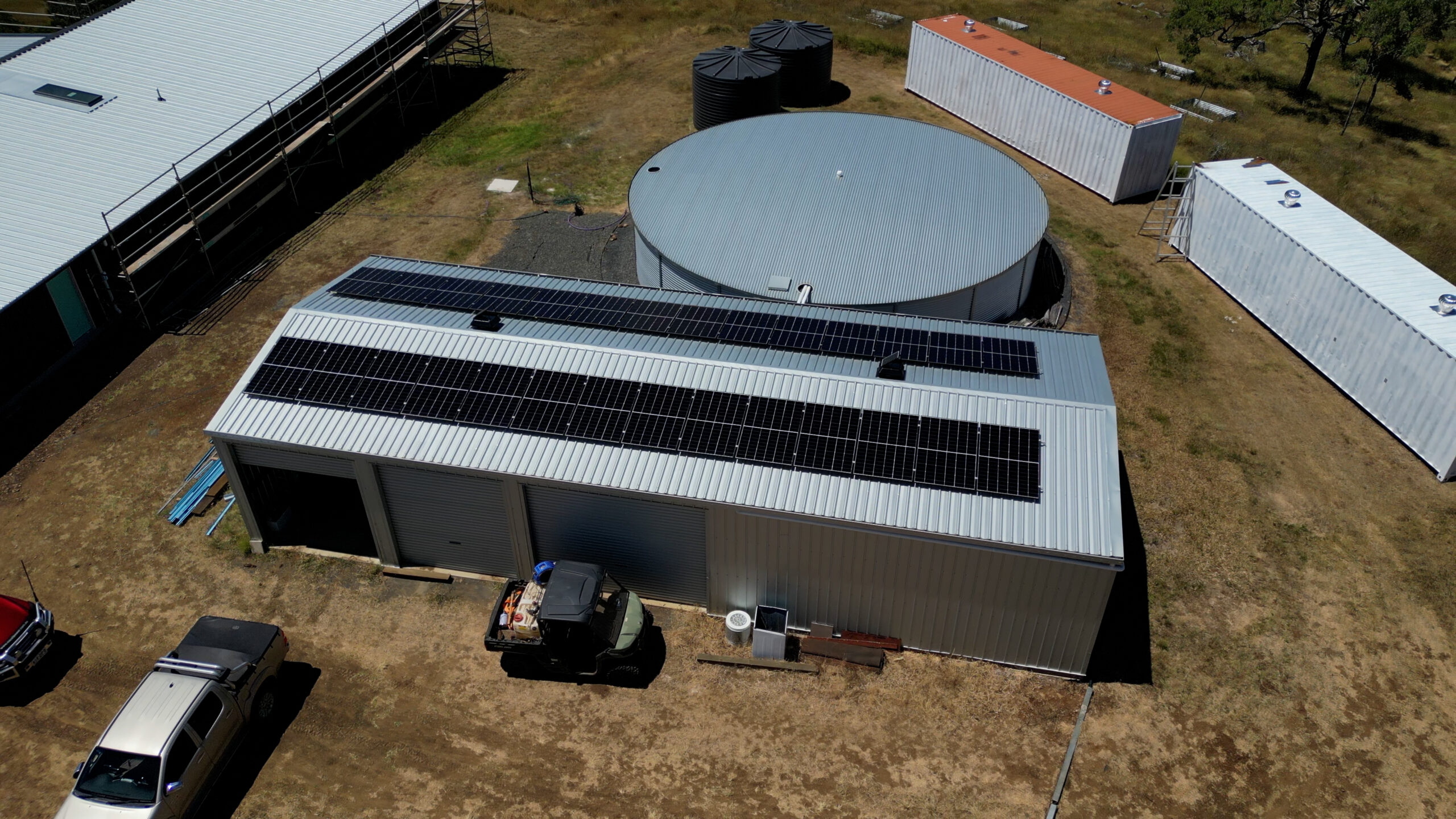
Choosing the right solar system size is one of the most important decisions you will make when going solar. Too small and you will still be paying hefty electricity bills. Too large and you have spent money on panels that will not pay themselves back quickly enough. The good news? For most South Australian homes in the Murray Bridge and Adelaide Hills region, there is a clear path to finding the right size.
At ElectricalPro, we have installed hundreds of solar systems across the region, and the single biggest factor we see in customer satisfaction is getting the system size right from day one. Here is how to work it out for your own home.
Step 1
Work Out Your Daily Energy Usage
Your electricity bill holds the key to sizing your solar system correctly.
Grab your most recent SA Power Networks bill (or check your retailer's app) and look for your average daily usage in kilowatt-hours (kWh). This number tells you how much energy your household consumes on an average day.
Here is a rough guide for South Australian homes:
| Household Size | Avg Daily Usage |
|---|---|
| 1-2 people | 8-15 kWh/day |
| 3-4 people | 15-25 kWh/day |
| 4-5 people | 25-35 kWh/day |
| 5+ people or large home | 35-50+ kWh/day |
Tip: If you have a pool pump, ducted air conditioning, or an electric hot water system, your usage will be at the higher end of these ranges. Murray Bridge summers regularly push past 40 degrees, and air conditioning can add 10-20 kWh/day during heatwaves.
Step 2
Match Your Usage to a System Size
Each system size has a sweet spot for different household types.
These output figures are based on Murray Bridge and Adelaide Hills receiving approximately 4.5 to 5.2 peak sun hours per day (annual average). Your actual output will vary by season. Expect around 30% more in summer and 30% less in winter.
Step 3
Consider SA-Specific Factors
South Australia has unique conditions that affect your solar sizing decision.
Pro Tip
Why Oversizing Slightly is Smart in SA
We often recommend installing 20-30% more panel capacity than your current usage suggests. Here is why:
- Panels degrade by about 0.5% per year, so oversizing compensates for this over the 25-year panel warranty
- You may add a battery later (popular options like the Tesla Powerwall 2 need 13.5 kWh to charge daily)
- Electric vehicles are coming, and a home EV charger adds 8-15 kWh/day to your usage
- A pool, spa, or future air conditioning upgrade will increase demand
- The step up from one system size to the next is usually a small part of the total, because the labour, the racking and the inverter are already there
As a real example: a family in Murray Bridge using 22 kWh/day could install a 6.6kW system and cover most of their usage. Stepping up to 8kW would fully cover their current needs and leave room for a future battery storage system or EV charger, and the difference between the two quotes is usually smaller than people expect.
The Maths
How Many Panels Will You Need?
Modern solar panels, like the Jinko Tiger Neo 475W and Trina Vertex S+ 445W panels we install, are significantly more efficient than panels from even five years ago. Here is a quick reference:
| System Size | 475W Panels | 445W Panels | Approx Roof Area |
|---|---|---|---|
| 5kW | 11 panels | 12 panels | ~20 m² |
| 6.6kW | 14 panels | 15 panels | ~26 m² |
| 8kW | 17 panels | 18 panels | ~32 m² |
| 10kW | 22 panels | 23 panels | ~40 m² |
| 13kW | 28 panels | 30 panels | ~52 m² |
Roof orientation matters too. North-facing panels produce the most energy overall in the southern hemisphere. West-facing panels produce more in the afternoon (great if you are home after work). East-facing panels produce more in the morning. Even south-facing panels can work in SA, though they will produce around 15-20% less than north-facing ones.
Shading is the other critical factor. A single shaded panel can drag down the output of an entire string. During your free site assessment, our team checks for shading from trees, chimneys, and neighbouring buildings at different times of day.
Have a look at our solar installation page to see how the systems are put together and what we fit, or the gallery for systems we have installed around the region.
FAQ
Common Solar Sizing Questions
Can I add more panels later if I need to?
Yes, but it is more cost-effective to install the right size from the start. Adding panels later may require a new inverter, additional racking, and a second installation visit. All of that adds cost. If you are on the fence between two sizes, go larger now.
What size system do I need for a battery?
It depends on the battery capacity. A Tesla Powerwall 2 (13.5 kWh) needs roughly 4-5kW of excess solar generation to charge daily. So if your home uses 20 kWh/day and you want a battery, a 10kW system would cover your usage and charge the battery. We recommend at least an 8kW system for any home planning to add battery storage.
Does the 5kW export limit mean I should only get a 5kW system?
No. The export limit caps what you send to the grid, not what your panels produce. A 6.6kW panel array on a 5kW inverter is the most popular configuration in SA precisely because the panels rarely all produce at peak output simultaneously. The extra capacity means you generate more across the full day, especially in the morning and afternoon shoulders.
How long will a solar system take to pay for itself in Murray Bridge?
It depends almost entirely on how much of your own generation you use rather than export, so there is no single answer we can honestly give in an article. What we can say is that the two things working in your favour here are high electricity prices and strong irradiance at around 5.0 peak sun hours. We model it against your actual bills as part of the quote.
Is three-phase power better for solar?
Three-phase allows a 10kW export limit (vs 5kW single-phase) and supports larger systems. If you have three-phase power and are considering 10kW+, it gives you more flexibility. However, for most residential systems under 10kW, single-phase works perfectly well.
Do I need council approval for solar panels in Murray Bridge?
In most cases, no. Solar panel installations on existing residential roofs in the Rural City of Murray Bridge are generally exempt from planning approval under the SA Planning, Development and Infrastructure Act. However, heritage-listed properties and some zone-specific rules may apply. We handle all paperwork and approvals as part of our installation service.
Get a Free Solar Assessment
We will visit your Murray Bridge or Adelaide Hills home, assess your roof, review your bills, and recommend the perfect system size, obligation free.