

Safety
Smoke Alarm Beeping? What the Chirp Means and How to Stop It
The 3am chirp, decoded. What each beep pattern means, how to make it stop properly, and the point where you should stop poking at it and call an electrician.
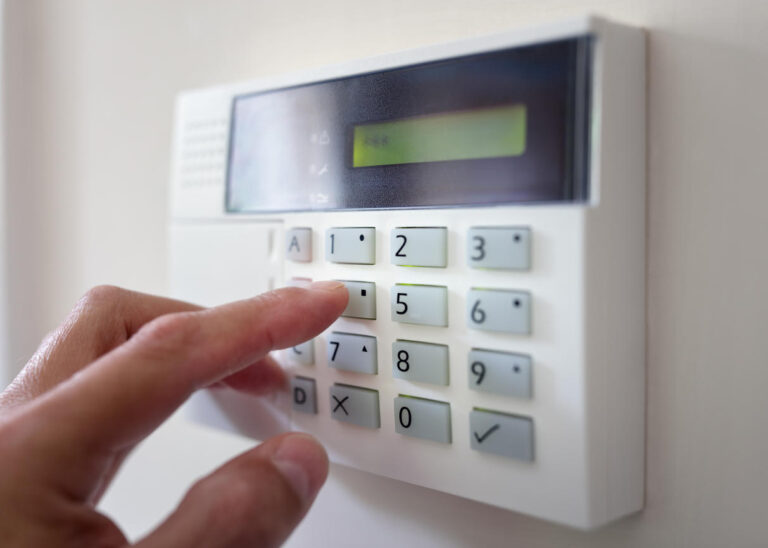
A smoke alarm that chirps once every 30 to 60 seconds is almost always telling you the battery is flat. Put a fresh battery in and the noise stops. If the alarm is a 10-year sealed lithium unit with no battery door, that same chirp usually means the alarm has hit the end of its life, and because the battery is built in you replace the whole unit. Either way, start by taking the alarm down and reading the manufacture date printed on the back. Anything close to 10 years old gets replaced, not re-batteried. Hardwired alarms chirp for the same reason, since they carry a backup battery that still goes flat. Less often the cause is dust in the sensing chamber, an insect that has crawled inside, or a fault in the wiring. The hush button buys you a few minutes of quiet, but the chirp comes back until you deal with the cause.
Detail
Make it stop: the two minute version
Do this in order. Most chirps are sorted before you reach step four.
Find the alarm that is actually chirping
Stand under each one and wait a full minute before moving on. The chirp repeats on a set interval, so patience beats guessing.
Get it down safely
Stepladder on a flat floor, not a dining chair. Most alarms twist off anticlockwise. If it is hardwired, open the battery compartment without unplugging the base.
Fit a fresh battery
Usually a 9V or a couple of AAs. Use one from a sealed pack, not the half dead one in the kitchen drawer. Refit, then hold the test button until it sounds.
No battery door? Read the date instead
Sealed 10-year alarms have no removable battery, so the chirp means the unit is finished. Turn it over, find the manufacture date, replace the alarm.
Clean it while you are up there
Vacuum the vents with a brush attachment and wipe the housing with a dry cloth. Dust and insects cause a lot of random chirping.
Still chirping? Stop guessing
A chirp that survives a new battery and a clean is either an end of life alarm or a problem in the circuit. Book a licensed electrician.
Detail
What the beep pattern is telling you
Patterns vary between brands and the label on the back of your alarm is the final word. These are the common ones.
- One short chirp every 30 to 60 seconds: low battery, and the cause on most callouts.
- A chirp that keeps going after a fresh battery, sometimes as a short double chirp: end of life on a sealed unit.
- Three loud beeps, pause, three loud beeps: that is the smoke pattern, not a fault. Get everyone out and treat it as real.
- Four beeps then a pause on a combination smoke and carbon monoxide alarm: the carbon monoxide pattern. Get outside into fresh air.
- A random chirp with no pattern: dust, humidity, an insect, or a battery not seated against the contacts.
- Chirping that starts in the early hours and stops by mid morning: a flat battery that picked a terrible time to tell you.
Detail
Low battery, and why it always happens at 3am
Battery voltage falls as the room gets colder, and the house is coldest in the small hours. A battery that behaved all day starts chirping while you are asleep. Nothing has gone wrong with the alarm. The battery was already marginal and the cold tipped it over. Fit a new one, then test every alarm monthly and change removable batteries once a year whether they complain or not.
Detail
End of life: read the date on the back
Smoke alarms do not last forever. The sensing element degrades with age, and the unit is built to be replaced about 10 years from the date it was made, not from the date it went up on your ceiling.
Every alarm carries a manufacture date printed or moulded on the back or side, sometimes shown as a replace by date instead. Past 10 years, or no date to find at all, replace it. An old alarm that still beeps on test is not proof the sensor is doing its job. Sealed 10-year lithium units are the clearest case: no battery to change, so end of life means a new alarm.
Detail
Hardwired alarms have a battery too
This one catches people out constantly. A hardwired smoke alarm runs off the mains and also carries a backup battery so it keeps working through a blackout. That backup goes flat like any other, and when it does, the alarm chirps.
So a chirping hardwired alarm is usually not a wiring problem. Check the battery compartment first. Most hardwired units have a small indicator light showing mains power is present, and no light at all on a unit that should be powered is worth investigating. If the chirp started right after a power cut or a storm, fit a fresh backup battery and press test, because alarms sometimes latch a fault after an interruption and clear once reset.
Detail
Interconnected alarms: the noisy one is not always the faulty one
Interconnected alarms are wired or linked wirelessly so that when one detects smoke, every alarm in the house sounds. In a real fire that is what wakes the person at the far end of the hallway. It also makes fault finding confusing, because some systems pass fault signals between units as well, so the chirp you hear in the hallway can be reported by a unit in a bedroom you have not checked. Work through every alarm, including the garage and any converted roof space.
When you replace alarms in an interconnected system, mixing brands and models is a common source of grief, since compatibility across manufacturers is not guaranteed. If in doubt, replace the whole set with matched units. South Australian rules set the alarm type a home needs, and require interconnection only where the building approval did, and they change again when a title is transferred. We have covered those separately for landlords and rentals and for selling or buying a house in SA.
Detail
Dust, steam, insects and burnt toast
A nuisance alarm is a different problem from a chirp. The alarm goes off properly for no obvious reason, then settles down. Almost always something has drifted into the sensing chamber: cooking aerosols, steam out of a bathroom door, dust from renovation work or a windy day in the Murraylands, fly spray and deodorant, or a spider looking for somewhere warm.
- Vacuum the vents every few months and wipe the housing with a dry cloth.
- Never spray insect spray or cleaning products at an alarm. It gets into the chamber and makes the problem permanent.
- Run the rangehood when cooking and shut the bathroom door before the steam reaches the hallway.
- If one alarm goes off every time someone showers or cooks, it is mounted too close. Relocating it is a small job and usually ends the problem for good.
- Photoelectric alarms respond well to the slow smouldering fires that kill people in houses, which is why they are the type used in Australia now. Older ionisation alarms are being phased out and are more prone to cooking triggers.
Detail
When it is a wiring fault
Most chirping is batteries. A smaller share sits in the wiring behind the alarm, and that is not a homeowner job. Get a licensed electrician in if any of this is happening.
- The chirp continues after a fresh battery and a clean, and the alarm is nowhere near 10 years old.
- You have replaced the alarm entirely and the new one does the same thing.
- Alarms across the house sound together at random with no smoke, steam or cooking involved.
- A hardwired alarm shows no power indicator, or drops out whenever a particular circuit is used.
- The alarm or its base is discoloured or warm, or there is a burning smell. Switch that circuit off at the switchboard and call someone the same day.
- The circuit trips the safety switch when the alarm is connected.
Detail
The two things you should never do
Do not pull the battery out and leave the alarm dead. It is the most common thing people do at 3am and the most dangerous, because a house with a silenced alarm has no alarm. If you cannot fix it that night, borrow a battery from something else and sort the unit properly in the morning.
Do not disconnect a hardwired alarm yourself. The plug on the back of the base is connected to mains wiring, and in South Australia that work belongs to a licensed electrician. Opening the battery compartment is fine. Pulling the unit off its base and poking at the terminals is not.
Detail
Get it sorted properly
If the chirp has outlived a new battery, or your alarms are old enough that you are replacing them one at a time as they fail, it is cheaper and quieter to do the lot in one visit. ElectricalPro has worked out of Murray Bridge since 2003 and handles smoke alarm installation, testing and replacement across the Adelaide Hills and Murraylands, from Mount Barker and Nairne through to Strathalbyn, Mannum and Tailem Bend.
Call 0438 840 121 or send us a message. Tell us how many alarms you have and roughly how old they are, and ask for a fixed price before we start.
Common Questions
Frequently Asked Questions
Why is my smoke alarm beeping every 30 seconds?
A single short chirp on a 30 to 60 second interval is the low battery warning on nearly every brand. Fit a fresh battery from a sealed pack, refit the alarm and hold the test button until it sounds. If the chirp continues, check the manufacture date on the back, because an alarm near 10 years old is more likely warning you it has reached end of life.
My smoke alarm is chirping but there is no battery in it. What now?
You almost certainly have a 10-year sealed lithium alarm. The battery is built into the housing and cannot be replaced, so the chirp means the unit has finished its service life and needs swapping out. Check the other alarms in the house while you are at it, since they were probably installed the same day.
I replaced the battery and my hardwired alarm still beeps. Why?
Either the new battery is not seated against the contacts, the alarm is at end of life regardless of battery condition, or the chirp is coming from a different interconnected unit than the one you just worked on. Walk the house and check every alarm. If they all have fresh batteries and are under 10 years old, it points at a wiring fault.
Can I take the battery out to stop the noise until the weekend?
No. That leaves the house without a working smoke alarm for days, which is the exact situation the alarm exists to prevent. Borrow a battery from a remote or a toy, or take the alarm down and replace it the next morning.
Why does my smoke alarm only chirp at night?
Battery voltage drops as the temperature falls and the house is coldest in the early hours. A nearly flat battery holds up during the day and dips below the alarm's threshold overnight. It is still a flat battery, so change it rather than waiting for it to settle down.
Do I need an electrician to replace a smoke alarm?
For a battery only alarm you can twist off the ceiling, no. For any hardwired alarm, yes, because the base is connected to mains wiring and that work is restricted to licensed electricians in South Australia. If you are replacing an interconnected set, or the property is being sold or leased, have an electrician do the lot so the type, positions and interconnection all meet current requirements.
Need a Licensed Electrician?
Tell us what is happening and we will give you a straight answer and a fixed price.