Current Rates
What Are Solar Feed-in Tariffs Paying in SA Right Now?
If you installed solar in South Australia before 2013, you may remember the premium feed-in tariff of 44 cents per kilowatt-hour. Those days are long gone. In 2026, the retailer-set feed-in tariff in SA typically sits between 5 and 12 cents per kWh, depending on your energy retailer and the plan you are on.
Unlike the old government-mandated premium tariff, today's feed-in rates are set by individual retailers and can vary significantly. Some of the major retailers and their approximate 2026 feed-in rates include:
| Retailer | Approx. Feed-in Rate (c/kWh) | Notes |
|---|---|---|
| AGL | 5 - 7c | Flat rate, varies by plan |
| Origin Energy | 5 - 10c | Higher rates on some solar-specific plans |
| Energy Locals | Variable (spot rate) | Can spike to 30c+ during high demand |
| Simply Energy | 6 - 8c | SA-focused retailer |
| Amber Electric | Wholesale rate | Best paired with battery storage |
The Big Picture
Why Have Feed-in Tariffs Dropped So Much?
South Australia has the highest rooftop solar penetration in the world. Over 40% of SA homes now have solar panels, and on a sunny spring day, rooftop solar alone can generate more electricity than the entire state needs. This oversupply during the middle of the day has driven wholesale electricity prices negative during peak solar hours — meaning there is sometimes so much solar energy that it is literally worth less than nothing to the grid.
The original 44c/kWh premium feed-in tariff was designed to kickstart solar adoption when panels cost $15,000+ for a small system. It worked — spectacularly. But it was never sustainable at scale. The premium scheme closed to new applicants in 2013, and those still on it will see their entitlements expire by the end of 2028.
For everyone else, the reality is clear: exporting solar to the grid at 5-10c/kWh while buying it back at 35-45c/kWh is not a winning strategy. The smart money in 2026 is on self-consumption and battery storage.
Smart Strategies
How to Maximise Your Solar Returns in 2026
With feed-in rates low, the goal shifts from exporting as much as possible to using as much of your own solar as you can. Every kilowatt-hour you use from your panels instead of buying from the grid saves you 35-45 cents — that is three to eight times more valuable than exporting it.
Install Battery Storage
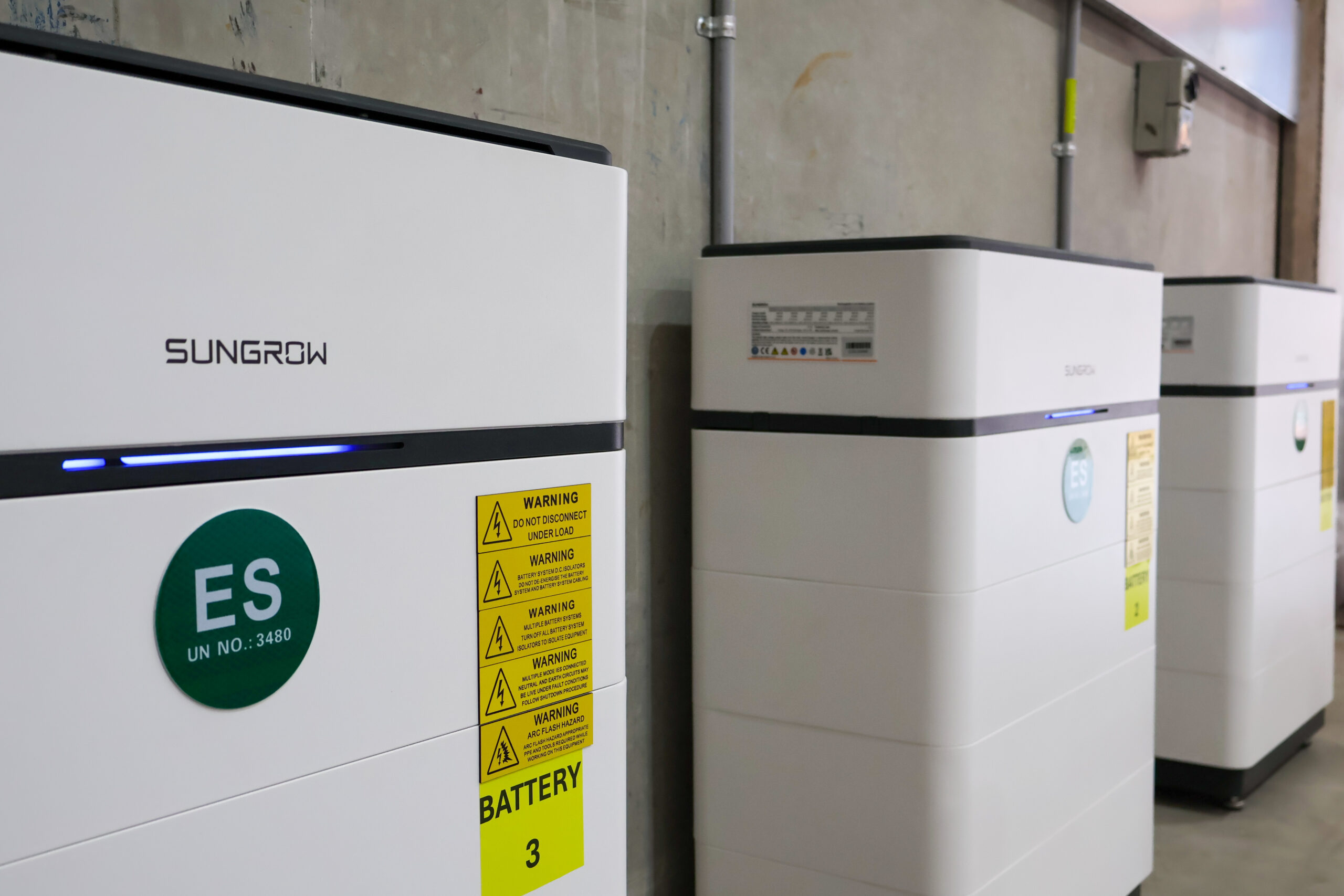
A home battery like the Sungrow SBR or Tesla Powerwall stores your daytime solar for evening use. At current SA electricity rates, a well-sized battery can save $1,200-$2,000 per year. With the SA Home Battery Scheme rebate still available, payback periods are getting shorter.
Shift Usage to Daytime
Run your dishwasher, washing machine, and pool pump during solar hours (10am-3pm). Use timers on appliances to automate this. A household that shifts 60-70% of consumption to daylight can self-consume up to 50% of their solar generation without a battery.
Heat Water With Solar
A solar diverter sends excess solar energy to your hot water system instead of exporting it for 6 cents. Heating water with solar can save $400-$600 per year and is one of the cheapest ways to boost self-consumption.
Charge Your EV During the Day
If you have an electric vehicle, charging at home during solar hours uses free energy instead of exporting at 6c/kWh. A typical daily commute uses about 8-10kWh — that is $3-4 saved each day you charge from solar rather than the grid.
Advanced Options
Time-of-Use Export Rates and Virtual Power Plants
Some retailers now offer time-of-use export rates that pay more for solar exported during peak demand periods (typically 3pm-9pm) and less during the solar flood of the middle of the day. If you have a battery, this can be a game-changer — charge your battery during the day and export during the evening peak when rates can be 15-20c/kWh or higher.
Virtual Power Plants (VPPs) take this further. Programs like the SA Government's VPP scheme or Tesla Energy Plan allow your battery to be dispatched during grid stress events, earning premium payments that can reach $1/kWh during extreme demand. For Murray Bridge homeowners with batteries, VPP participation can add $300-$800 per year in additional income beyond standard feed-in tariffs.
Local Advantage
Solar Performance in Murray Bridge and Adelaide Hills
One advantage that Murray Bridge and Adelaide Hills homeowners have is excellent solar irradiance. The Murray Bridge area averages 4.8 to 5.2 peak sun hours per day annually, which is among the best in the state. Even in winter, you are typically getting 3.5-4 hours of effective generation.
What this means in practical terms:
- A 6.6kW system in Murray Bridge generates roughly 26-30kWh per day annually — enough to cover most household usage
- Adelaide Hills properties at higher elevation get slightly less (4.5-4.8 peak sun hours) but still perform well
- North-facing panels at 25-30 degree tilt angle maximise annual yield in our latitude (-35 degrees)
- East-west split arrays can extend generation across more of the day, improving self-consumption without a battery
- Shading from gum trees is the biggest local issue — a proper site assessment catches problems before installation
If you are considering a new solar installation or upgrading an existing system, our team can model your expected generation and savings based on your actual roof orientation and shading conditions.
Action Plan
Making the Most of Solar in a Low Feed-in World
The bottom line for SA solar owners in 2026 is straightforward: feed-in tariffs are not coming back up, and the real value of solar is in what you use yourself. Here is a practical checklist:
- Review your current feed-in rate — many homeowners are on outdated plans paying as little as 3c/kWh
- Compare retailers on Energy Made Easy and switch if you can get a better export rate
- Install timers on major appliances to shift usage into solar hours
- Get a quote for battery storage — the SA Home Battery Scheme subsidy is still available but funding is limited
- Consider a solar system upgrade if your panels are 10+ years old and underperforming
- Ask about VPP programs if you already have or are installing a battery
Whether you are looking at a complete solar and battery package, want to understand the SA battery rebate, or need advice on getting more from your existing system, our CEC-accredited team can help you navigate the options.