The Key Rule
The 6-Month Rule: What Happens at Settlement
The single most important thing to know is this: when an existing home is sold in South Australia, the new owner has six months from the date of title transfer to fit compliant smoke alarms. "Compliant" means one of two things:
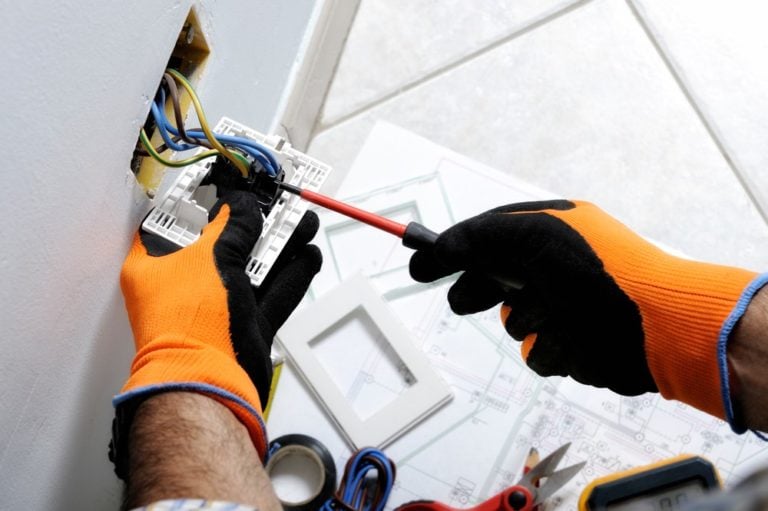
240V mains-powered alarms — hardwired into the home's electrical system with a battery backup. These must be installed by a licensed electrician.
10-year lithium battery alarms — sealed units with a non-replaceable battery designed to last the full 10-year life of the alarm.
Standard 9V battery alarms — the kind where you swap the battery every year — do not satisfy the requirement after a property purchase, even if they are working perfectly. This catches many new owners by surprise, because the home may have passed its building inspection with the old alarms still in place. The inspection checks what is there; the law cares about what you install within six months of taking title.
By Home Age
Which Smoke Alarm Rules Apply to Your Property
SA's requirements depend on when the home was built and when it last changed hands. All alarms must meet Australian Standard AS 3786, and every SA home has been legally required to have working smoke alarms since 1998.
| Situation | Minimum Requirement |
|---|---|
| Home built before 1 January 1995, never sold since | Working smoke alarms (battery acceptable until the property transfers) |
| Home built on or after 1 January 1995 | 240V mains-powered alarms |
| Home built or significantly extended since 2014 | 240V mains-powered alarms, interconnected where more than one is required |
| Any existing home purchased (title transferred) | 240V mains-powered or 10-year lithium battery alarms within 6 months |
| Rental property | Same as above, plus ongoing landlord obligations — see our landlord's guide |
Alarms must be positioned between sleeping areas and the rest of the home, with an alarm on every level of multi-storey properties. The SA Metropolitan Fire Service recommends photoelectric alarms, which respond faster to smouldering fires and are far less prone to cooking-related false alarms than older ionisation models.
For Sellers
Selling? Why It Pays to Sort Smoke Alarms Before Listing
Legally, the compliance obligation passes to your buyer. Practically, smoke alarms still matter to your sale:
- Building inspectors note expired, missing, or non-functional alarms in their reports — and inspection findings are negotiation leverage for buyers
- Visibly old or yellowed alarms date the whole property, the same way an old switchboard does
- If your home was built after 1995 and has battery alarms, that is an existing compliance gap — not the buyer's future one — and an inspector may flag it
- A compliant, recently-tested alarm system is a cheap trust signal that suggests the rest of the home's electrical work is in order
If you are preparing a property for sale, it is worth having the alarms checked at the same time as any other pre-sale electrical work — particularly if the building inspection is likely to scrutinise an older switchboard or the absence of safety switches.
For Buyers
Just Bought? Your 6-Month Checklist
1. Note Your Deadline
The clock starts at title transfer, not at the contract date or when you move in. Put the six-month date in your calendar the week you settle.
2. Audit What Is There
Check every alarm for its manufacture date (printed on the unit), its power source, and whether it actually sounds when you press the test button. Alarms over 10 years old must be replaced regardless of type.
3. Check Placement
Alarms belong between bedrooms and the rest of the home, and on every level. Many older homes have a single alarm in the wrong spot — compliant placement matters as much as the alarm type.
4. Choose Hardwired Where You Can
If you are upgrading anyway, 240V interconnected photoelectric alarms are the gold standard — no battery anxiety, and when one sounds, they all sound. Installation must be done by a licensed electrician.
Non-compliance can attract fines, but the bigger risks are practical: an insurer scrutinising a fire claim will look at whether the home met smoke alarm requirements, and nothing about a working alarm matters more than the early warning it gives your family. Our smoke alarm installation service covers assessment, supply, hardwired installation, and certification across Murray Bridge, Mount Barker, and the wider Adelaide Hills.